Coalescing vs. Separation Filter Elements: A Comprehensive Guide
In fluid filtration systems, two critical components often work in tandem to ensure optimal purity and performance: coalescing filter elements and separation filter elements. While both serve to remove contaminants from liquids or gases, their mechanisms and applications differ significantly. This blog explores their functions, differences, and industrial uses to help you select the right solution for your filtration needs.
What is a Coalescing Filter Element?
A coalescing filter element is designed to merge small liquid droplets or aerosol particles into larger ones, making them easier to remove. This process, known as coalescence, is critical in applications where fine contaminants (e.g., water in fuel or oil mist in compressed air) must be eliminated.
How It Works:
Capture: The filter media (often made of glass fiber, polypropylene, or PTFE) traps microscopic droplets as the fluid passes through.
Coalescence: Small droplets combine on the filter’s surface, forming larger droplets due to surface tension and gravity.
Drainage: Enlarged droplets drain away from the media, collected in a sump or expelled from the system.
Key Applications:
-
Removing water from aviation fuel, diesel, or hydraulic oils.
-
Eliminating oil aerosols in compressed air systems.
-
Processing chemicals or pharmaceuticals requiring ultra-clean fluids.
What is a Separation Filter Element?
A separation filter element acts as a barrier to prevent coalesced liquids from re-entering the fluid stream. It is typically used downstream of a coalescer to ensure complete contaminant removal.
How It Works:
Hydrophobic/Hydrophilic Media: Separation filters use specialized materials (e.g., hydrophobic PTFE for water-in-fuel systems) that repel the target contaminant.
Block and Drain: The media blocks coalesced droplets while allowing clean fluid to pass. Contaminants are redirected to a drainage system.
Key Applications:
-
Final-stage filtration in fuel dispensing systems.
-
Protecting sensitive equipment from recontamination.
-
Dehydration of natural gas or LNG.
Coalescing vs. Separation: Key Differences
| Feature | Coalescing Filter | Separation Filter |
|---|---|---|
| Primary Role | Merges small droplets into larger ones | Blocks and drains coalesced liquids |
| Media Structure | Multi-layered, high-surface-area | Hydrophobic/hydrophilic, tight pore structure |
| Placement | Upstream in the system | Downstream of a coalescer |
| Contaminant Size | Targets sub-micron particles | Handles larger, coalesced droplets |
Why Use Both Together?
In many industrial systems, coalescing and separation filters work sequentially to achieve maximum efficiency:
Coalescer: Aggregates tiny contaminants.
Separator: Ensures removed contaminants stay out of the fluid stream.
For example, in aviation fuel filtration:
-
Coalescers remove emulsified water droplets.
-
Separators prevent residual water from reaching aircraft engines.
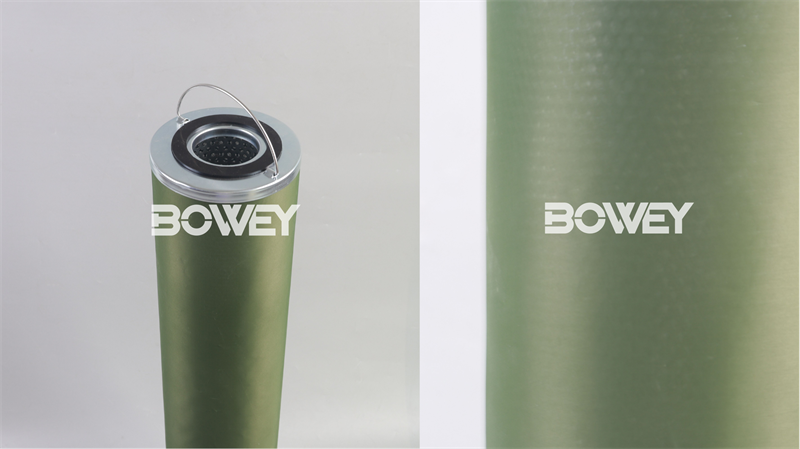
Choosing the Right Filter Element(Consider these factors when selecting a filter)
Fluid Type: Compatibility with media (e.g., chemical resistance).
Contaminant Size: Coalescers for sub-micron particles; separators for larger droplets.
Flow Rate: Higher flow may require larger surface areas.
Industry Standards: Compliance with ISO, API, or OEM specifications.
Conclusion
Coalescing and separation filter elements are indispensable for achieving high-purity fluids in industries ranging from energy to pharmaceuticals. While coalescers focus on merging contaminants, separators act as the final gatekeepers. Understanding their roles and synergies ensures optimal system performance, reduced downtime, and extended equipment life.
Whether you’re designing a new filtration system or upgrading an existing one, selecting the right combination of coalescing and separation filters is key to operational excellence.

Keywords: Coalescing filter, separation filter, fluid purification, contaminant removal, filtration systems.
If you are interested in Boweyfilter products,please contact us here.
→Back To Home